From the world-famous Gouda Stained-Glass Windows in St. John’s Church to historic museums, art galleries, and artisanal traditions: in Gouda, you can stroll right through history, from the Middle Ages to the present day. At the same time, the city buzzes with creativity and conviviality, just like its cheese and stroopwafels. It’s precisely this combination of history, art, culture, and a lively atmosphere that makes Gouda a special destination for a cultural city trip. Let me take you on a tour!
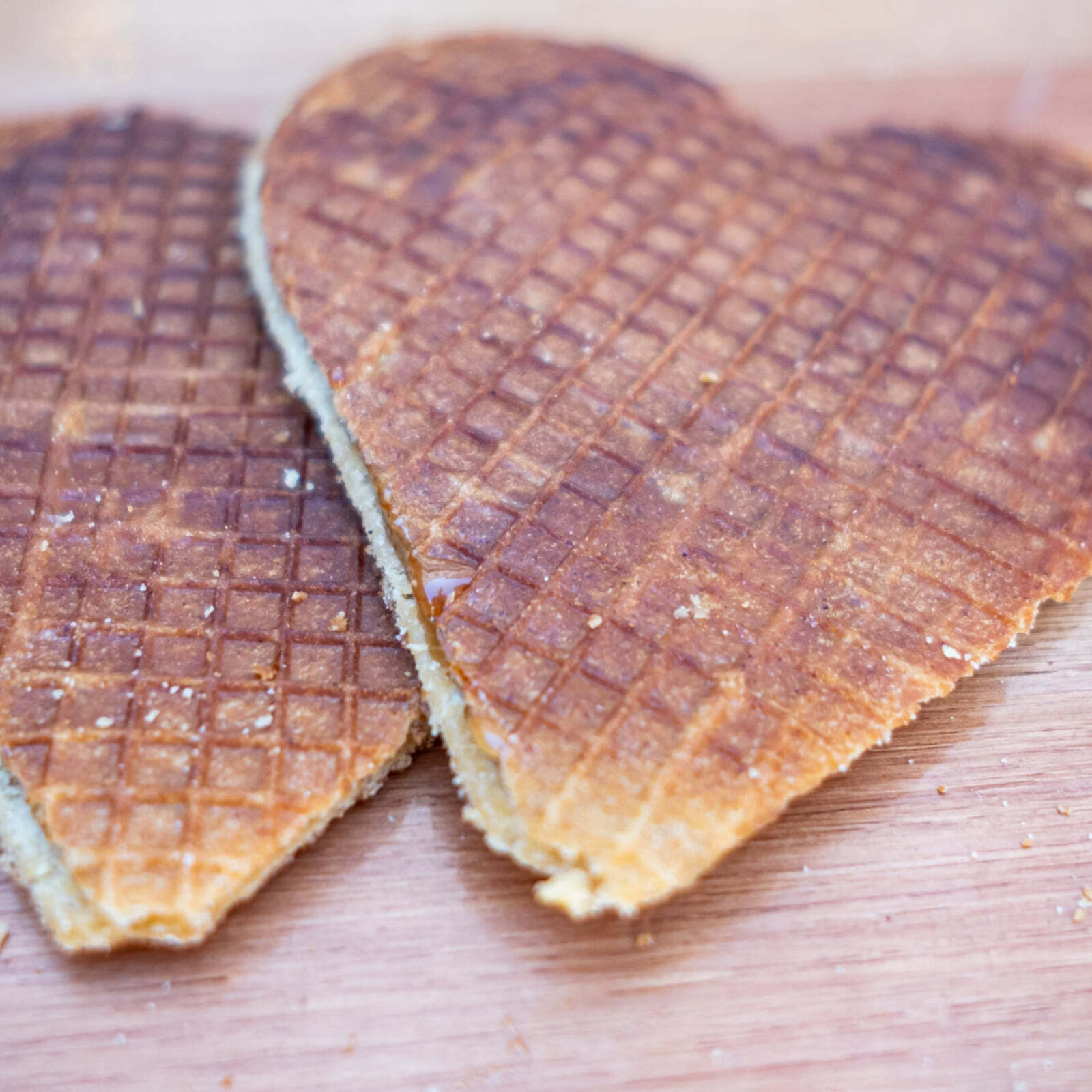
Anyone strolling through Gouda will quickly realize that the city is more than just cheese and the—admittedly delicious—stroopwafels (pick them up at Kamphuisen Siroopwafelfabriek, Berg’s Bakery, and Markus’ Stroopwafelmuur)! Behind the historic facades, canals, and alleyways lies a city brimming with stories, art, and centuries-old crafts. Gouda feels intimate and lively—a place where the past hasn’t faded away but is still visibly and tangibly present. During my stroll through the city center, I discover how history, culture, and creativity come together.
Market Square and the Old City Hall
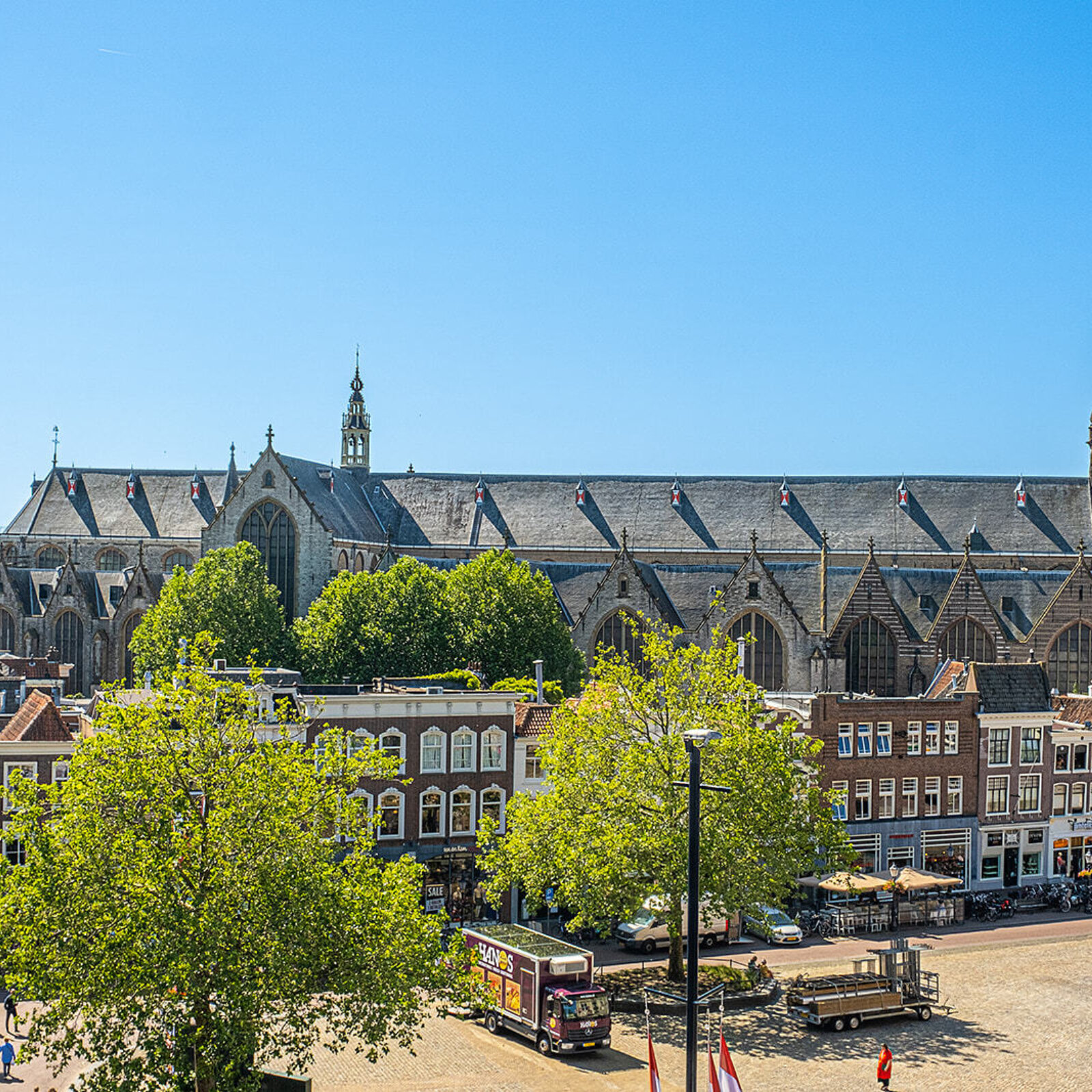
The morning begins at the Market Square, the beating heart of the city. The Gothic city hall, which is being restored and renovated to reopen in 2027, looks like something straight out of a picture book. On the right-hand side of the building, you’ll see the carillon with its mechanical figures. The star of the puppet show is Floris V, who granted Gouda city rights in 1272. Every two minutes past the half-hour and on the hour, you’ll be treated to a beautiful spectacle.
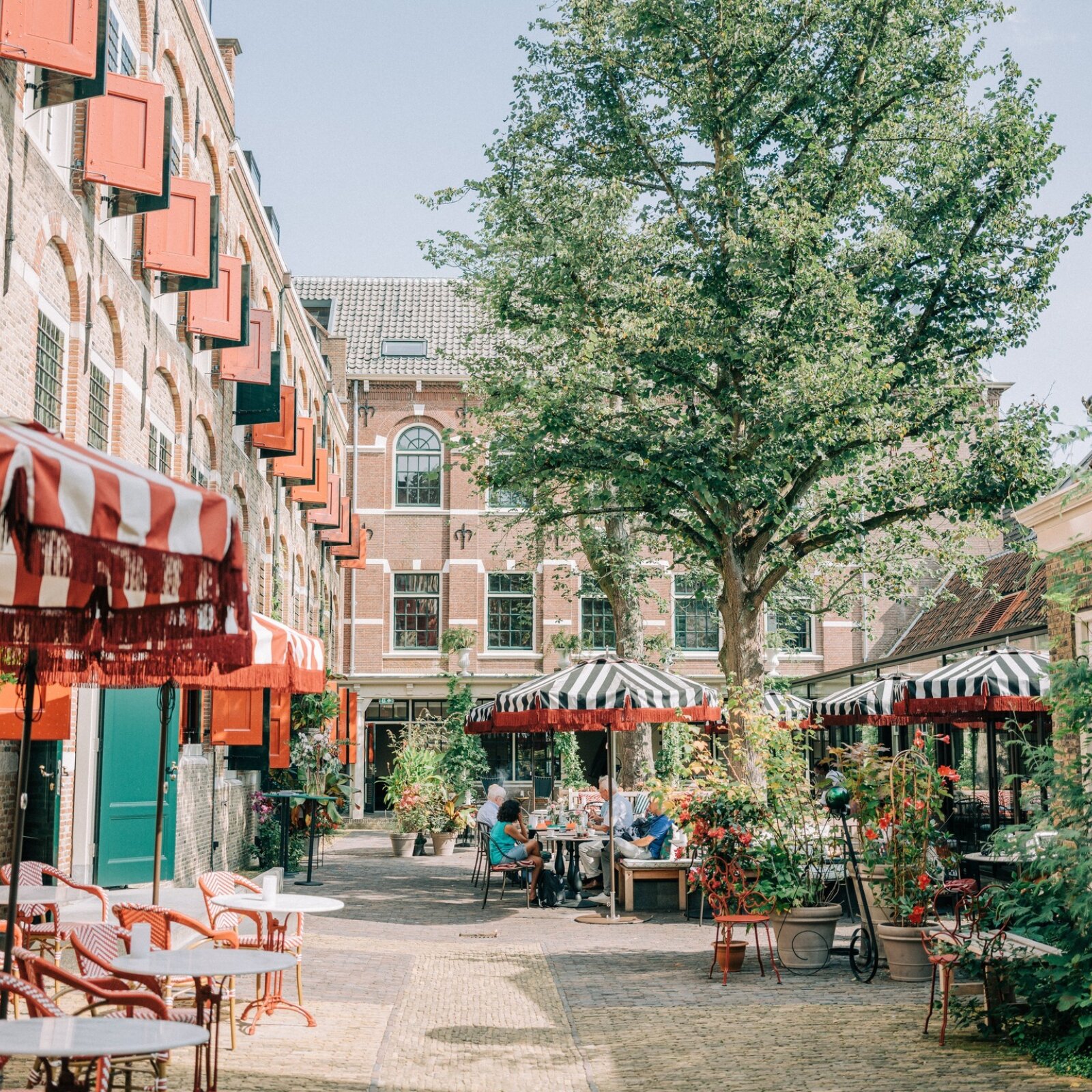
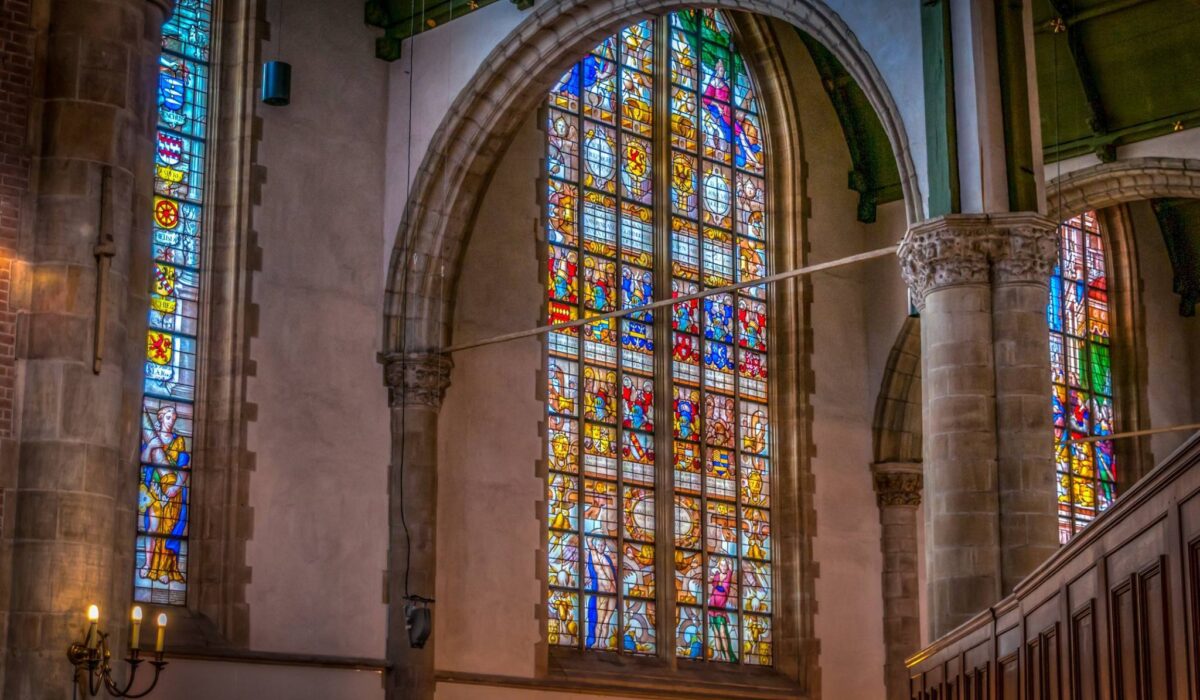
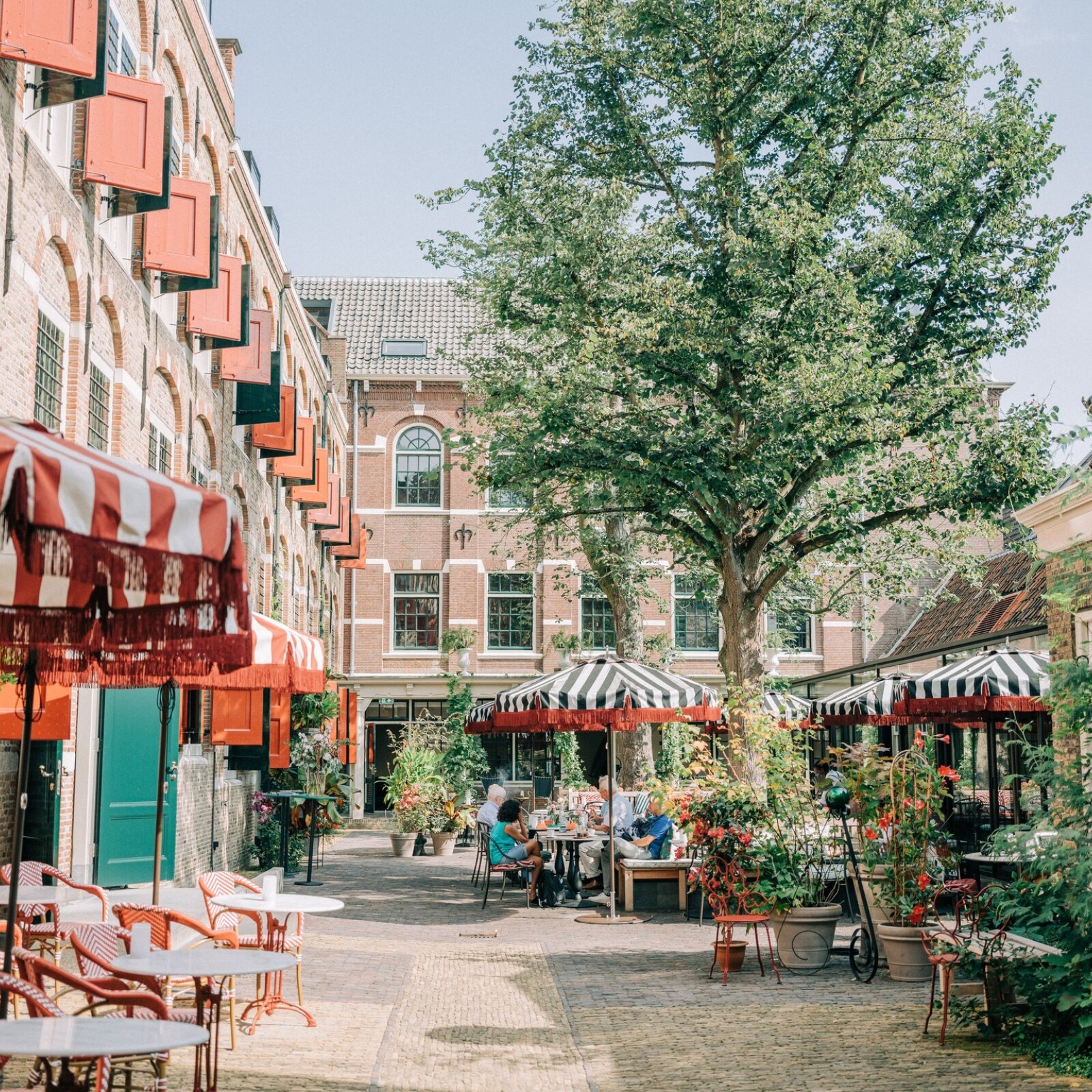
Around the square, outdoor cafes fill with coffee drinkers and day-trippers while the bells ring out over the city. After a break at Cantina van Jongkind—tucked away in a historic courtyard dating back to 1702—for a cup of coffee made from house-roasted beans, I walk toward St. John’s Church, one of Gouda’s most impressive landmarks. At 123 meters, it is the longest church in the Netherlands. Once inside, what really catches the eye is the sunlight streaming in through the stained-glass windows of Gouda, creating an almost magical glow.
St. John’s Church
The stained-glass windows depict scenes from the Bible and Dutch history. Most of them date from the sixteenth century and were designed by famous stained-glass artists, including the Crabeth brothers from Gouda. About twenty of their windows can be seen in the church. As I walk past the stained-glass windows, I discover kings, wars, symbolism, and religious scenes that impressed visitors centuries ago. The most recent stained-glass window is the Erasmus window, created in 2016 by artist Marc Mulders.
Your admission ticket to the church includes a free audio tour lasting about 40 minutes. You’ll hear the stories behind the glass displays and learn fun facts about the church. The church is part of the Largest Museum in the Netherlands. By the way, the kids’ tour is a lot of fun! Young explorers set out to find six mysterious boxes filled with exciting challenges that offer a surprising perspective on the church. The kids’ tour is included with a visit to the church, and admission is free for children 17 and under.
More about St. John’s Church
Museum Gouda
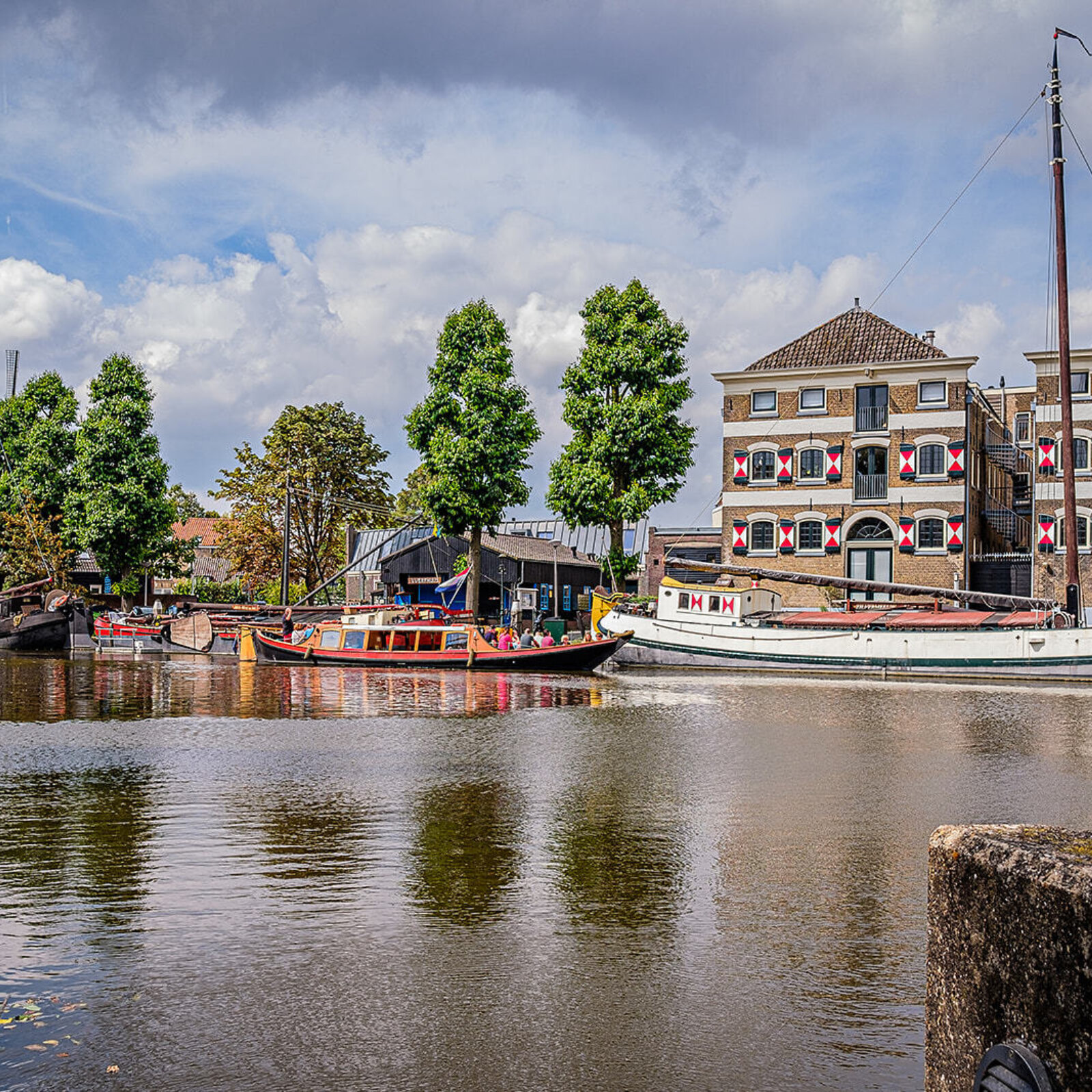
After visiting St. John’s Church, I take a short walk around the neighborhood, past charming canal-side houses, hidden courtyards, and storefronts featuring design, ceramics, and art. I make a quick stop at the Museumhaven Gouda, along the Bogen, Vest, Buurtje, and Turfsingel. It’s really nice to see the uniquecollectionof historic commercial vessels and enjoy a quick cup of coffee at the Museumhavencafé IJsselhuis, which offers the most beautiful view in Gouda. In this historic skippers’ lounge, you’ll find a menu for lunch and dinner featuring fresh, local ingredients and plenty of (forgotten) seasonal produce. Delicious!
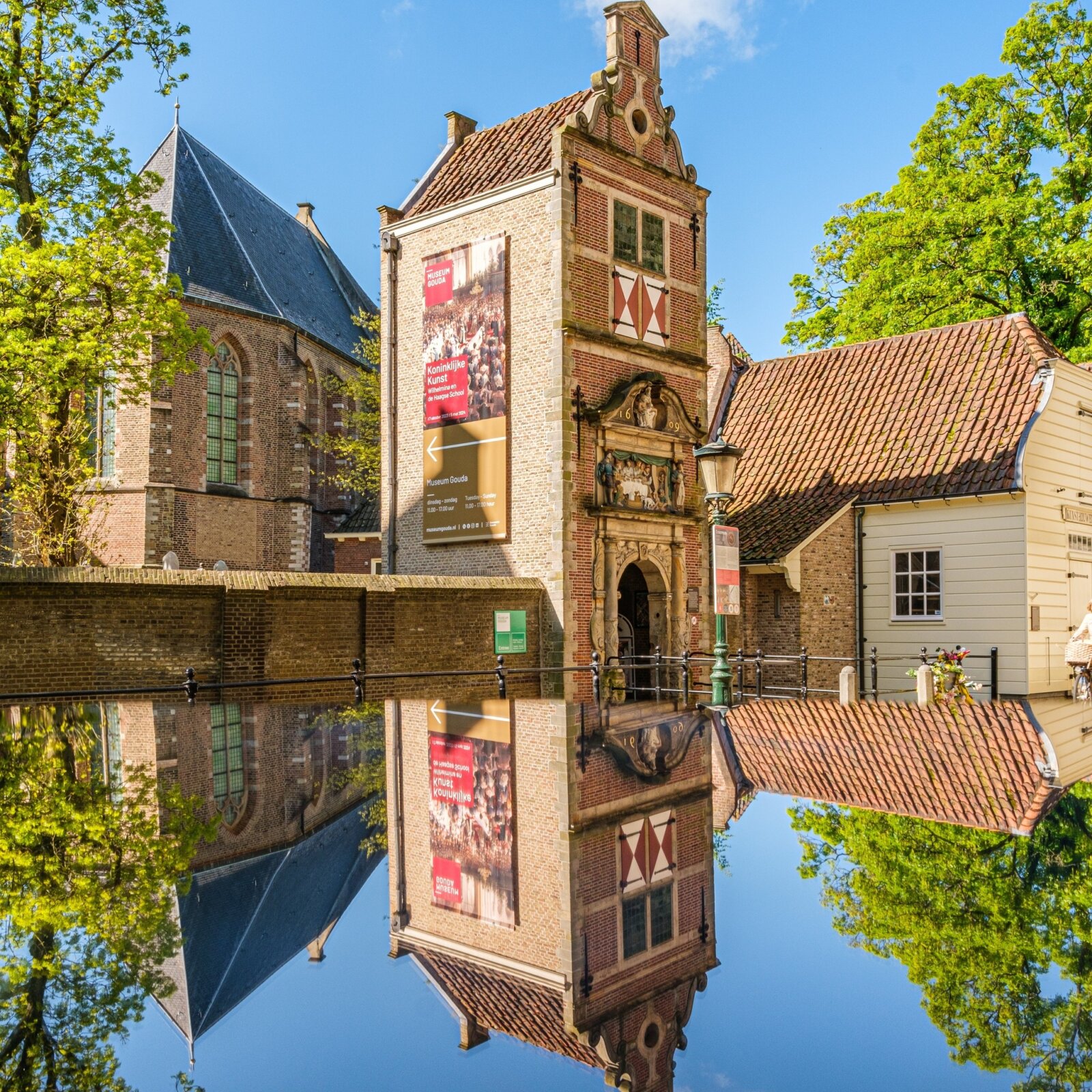
Yes, there’s something surprisingly creative about Gouda. You can sense that artists and creators feel at home here. You can see that at Museum Gouda, which is housed in the beautiful, 15th-century former Catharina Hospital. Once, the sick and the poor were cared for here; now, the halls serve as a backdrop for art and the city’s history. Inside, you’ll discover the collection of altarpieces and the Gouda Pottery Attic, featuring the famous Gouda pottery and paintings.
The interactive city model of Gouda in 1562 also draws attention. It feels as if you’re traveling back in time for a moment and looking through the Gouda of centuries ago. Tip! During the Gouda Cheese Market, you can take a guided tour of the model and hear stories to go along with it.
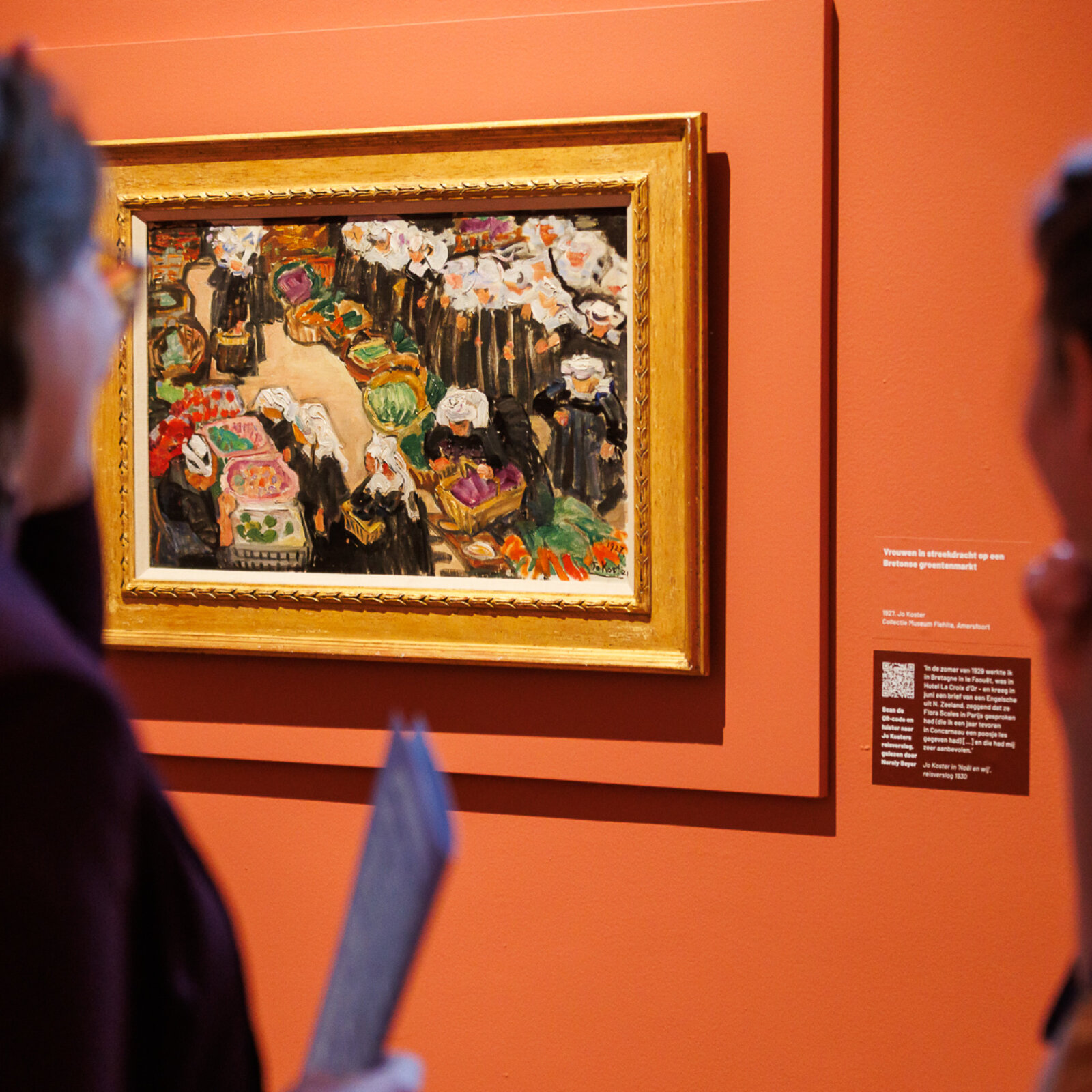
What makes Museum Gouda special is the blend of art by old masters, personal stories, and original exhibitions. For example, there’s the Arntzenius Salon, featuring atmospheric landscapes and portraits by Dutch and French masters that transport you to the nineteenth century. Current, rotating exhibitions offer a fresh perspective on art and contemporary issues. Don’t miss Museumcafé Gouda and its delicious high tea options; in the summer, you can enjoy them in the walled museum garden, surrounded by history.
A Masterful Lunch in Gouda
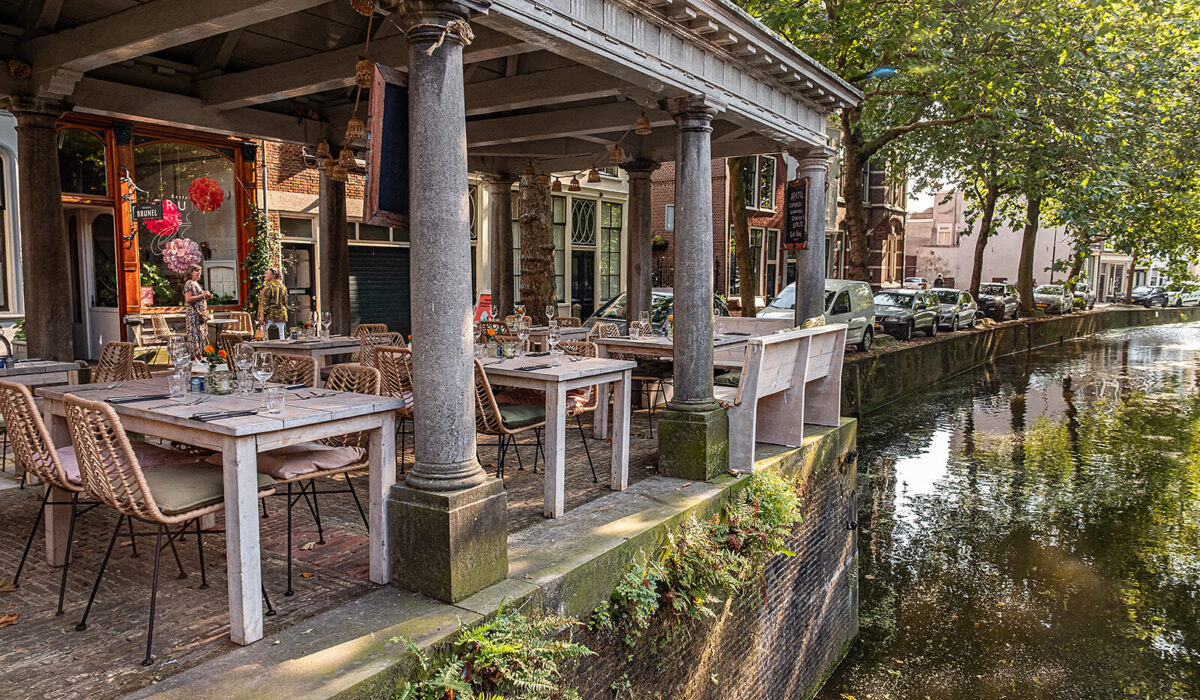
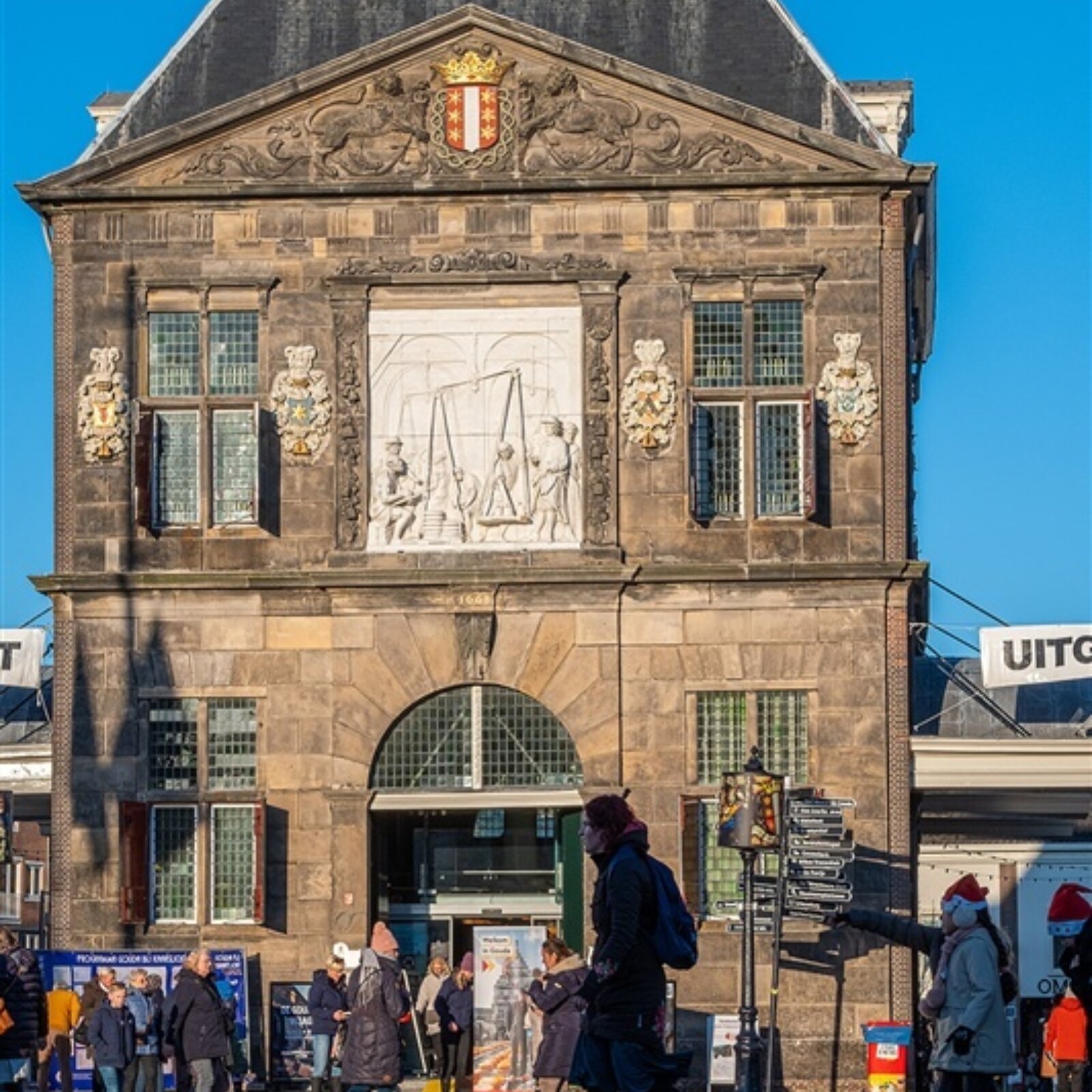
Time for lunch by the water at Unique in the Kleischuur —high-end fine dining that truly takes you on a culinary journey through the flavors of Gouda. This national monument, dating from around 1900, was once used to store the white clay for Gouda’s world-famous pottery. Afterward, I walk back toward the Markt and the Goudse Waag. This historic building from 1668, designed by architect Pieter Post, played an important role in the city’s commercial life for centuries. Here, goods were weighed to levy taxes, and later, cheeses were weighed before being traded. The original scales and the relief on the facade still bear witness to that rich history.
The Gouda Waag
Today, it houses the Museum De Goudse Waag, which focuses on the story of “Made in Gouda.” Through an audio tour, I discover why Gouda grew to become one of the most important trading cities in the Low Countries during the fifteenth and sixteenth centuries. It wasn’t just cheese that made Gouda famous; beer, candles, stroopwafels, ceramics, and clay pipes also found their way throughout Europe from this city. The museum brings that history to life in an accessible way. You’ll discover how crafts were passed down through generations and why Gouda is still known worldwide for its craftsmanship and quality.
What’s wonderful about Gouda is the artisanal atmosphere that’s still evident everywhere. In shops, you can smell fresh stroopwafels; in specialty stores, local cheeses are displayed on wooden boards; and in studios, artists are working on modern interpretations of centuries-old techniques. And what about the small chocolate shops where artisans hand-fill bonbons and carefully assemble chocolate bars?Chocoladeatelier PUURon Naaierstraat, for example, demonstrates that cacao from afar pairs perfectly with local craftsmanship.

Art in Gouda’s Galleries
Speaking of art—if you love galleries, you’ll be in heaven in Gouda. At the art mecca Unit4Art, you’ll discover modern art by national and international artists in spaces filled with photography, paintings, and mixed media. Galerie Montulet showcases contemporary realist art in a historic building on the Hoge Gouwe, and Domo Eclectica is an inviting space where art, workshops, and social gatherings come together. Galerie Honingen and Galerie de Hollandsche Maagd are also great spots for those who love contemporary art, sculptures, and unique exhibitions. In the historic building of De Firma Kunstcentrum across from St. John’s Church, you can feel how Gouda remains a creative hub for artists and creators. And if you’re lucky, you might even see Arie Bouters or Trudy Otterspeer at work in their studios.
Looking for accommodation in Gouda